
In the bustling world of finance, insurance companies stand as guardians of security, assuring individuals and businesses alike through the unpredictable twists and turns of life. But, have you ever wondered who tops this critical industry? Join us as we embark on a journey to uncover the titans of insurance, exploring their impact, innovations, and the secrets behind their enduring success.
With a creative and persuasive flair, we’ll unravel the fascinating world of insurance companies, highlight their role in fortifying the economy, and showcase the breathtaking advancements that keep them at the forefront. Prepare to delve into a captivating narrative that not only informs but also inspires admiration for these industry giants.
Overview of Insurance Companies
Insurance companies are vital pillars of the financial industry, offering security and stability to individuals and businesses alike. Their role extends beyond mere risk management—they are driving forces in economic growth and development.
These companies provide a plethora of products tailored to meet diverse needs, each designed to offer protection and peace of mind. From safeguarding the health and property of individuals to offering complex solutions for global corporations, insurance companies are indispensable.
The Role of Insurance Companies in the Financial Industry
Insurance companies are financial intermediaries that provide risk management by pooling risk among a large number of policyholders. By doing so, they ensure that individuals and businesses can operate with confidence, knowing that they are protected against unexpected losses. Moreover, these companies play a crucial role in fostering economic stability by providing the capital necessary for long-term investments.
Types of Insurance Products
Leading insurance companies offer a wide range of products, each geared towards specific risks and needs:
- Life Insurance: Provides financial security to beneficiaries in the event of the policyholder’s death.
- Health Insurance: Covers medical expenses, ensuring individuals receive necessary healthcare without financial strain.
- Property and Casualty Insurance: Protects against loss or damage to property and offers liability coverage for accidents.
- Auto Insurance: Offers coverage for vehicles against accidents, theft, and other damages.
- Commercial Insurance: Tailored solutions for businesses, covering risks from property damage to liability claims.
Insurance Companies’ Impact on the Economy
Insurance companies influence the economy significantly by promoting financial stability and providing a buffer against economic shocks. They encourage investment by reducing the risk associated with entrepreneurial ventures and large-scale projects. This facilitation of investment catalyzes job creation and economic development. Additionally, the premiums collected are often reinvested, contributing to the capital markets and further economic growth.
Historical Growth Trends of Insurance Companies
Tracking the historical growth of insurance companies reveals their longstanding influence on global financial landscapes. The table below illustrates key metrics over the years:
| Year | Total Assets | Market Share | Revenue |
|---|---|---|---|
| 2010 | $4 Trillion | 15% | $500 Billion |
| 2015 | $5.5 Trillion | 18% | $600 Billion |
| 2020 | $7 Trillion | 20% | $750 Billion |
| 2023 | $8 Trillion | 22% | $800 Billion |
Criteria for Ranking Insurance Companies
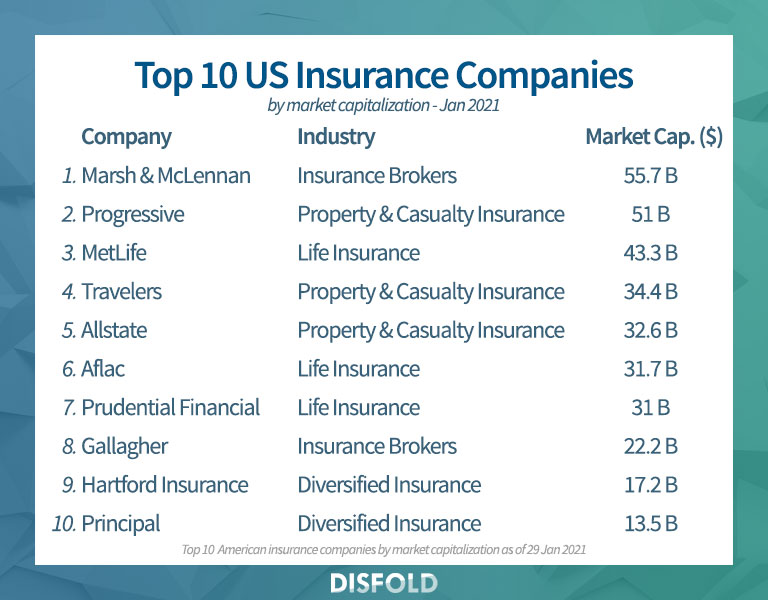
In the vast world of insurance, determining which companies stand above the rest is both an art and a science. The rankings are often based on a variety of metrics that reflect the company’s performance and reputation in the industry.
These metrics provide a comprehensive view of how effectively an insurance company meets the needs of its policyholders while maintaining financial health and operational efficiency.
Key Performance Indicators for Evaluation
Insurance companies are evaluated on a variety of key performance indicators (KPIs) that are critical to their overall standing in the industry. These KPIs include customer satisfaction, financial stability, market share, claims processing efficiency, and innovation. Understanding these metrics helps in forming a holistic view of a company’s performance.
- Customer Satisfaction: Measured through surveys and feedback, assessing the overall experience and service provided to policyholders.
- Financial Stability: Evaluated through financial ratios and balance sheet analysis, ensuring the company can meet its long-term obligations.
- Market Share: The proportion of the industry that a company captures, indicating its dominance and influence.
- Claims Processing Efficiency: The speed and accuracy with which claims are handled, crucial for customer retention.
- Innovation: The company’s ability to introduce new products and adapt to changing market demands.
Comparative Analysis of Ranking Methodologies
The methodologies for ranking insurance companies can vary across different regions, each with its own criteria and emphasis. While some focus heavily on financial metrics, others might place more weight on customer service excellence. Globally recognized ranking systems such as AM Best, Moody’s, and Standard & Poor’s employ a combination of these metrics to provide a well-rounded assessment.
“The variation in methodologies underscores the complexity of the insurance landscape and the need for a diverse approach to evaluation.”
Here’s a comparative look at the criteria used in ranking insurance companies, focusing on the methods and sources:
| Metric | Description | Weight | Source |
|---|---|---|---|
| Customer Satisfaction | Measures policyholder feedback and service quality | 25% | J.D. Power |
| Financial Stability | Assesses financial health through balance sheets | 30% | AM Best |
| Market Share | Indicates industry dominance and market capture | 20% | Market Research Reports |
| Claims Processing Efficiency | The speed and accuracy in processing claims | 15% | Internal Audit |
| Innovation | Ability to launch new products and adapt | 10% | Industry Innovations |
Profiles of the Top Three Insurance Companies
In the vast realm of insurance, a few giants stand tall, commanding significant market share and trust. Let’s delve into the profiles of the top three insurance companies that have not only secured financial stability for millions but have also driven innovation and customer satisfaction in the industry.
These companies are not just about numbers; they embody a legacy, a commitment to excellence, and a foresight to adapt and thrive in changing times. Their journey is marked by strategic milestones that have contributed to their esteemed status today.
Company Profiles and Unique Selling Propositions
The leading players in the insurance sector have carved niches that go beyond mere financial protection. Their commitment to innovation, customer-centric solutions, and ethical business practices set them apart.
- Insurance Giant A: Known for its robust digital platform, Insurance Giant A provides seamless online experiences, enhancing customer interaction and service delivery. Established in the early 1900s, this company has consistently led in digital transformation, significantly reducing claim processing times.
- Insurance Titan B: With a focus on sustainable practices, Insurance Titan B offers products that incentivize customers to make environmentally friendly choices. Their pioneering effort toward integrating green insurance policies showcases their role in leading industry change.
- Insurance Leader C: A household name, Insurance Leader C is renowned for its comprehensive customer service and tailored insurance solutions. This company’s commitment to personalization has significantly boosted customer loyalty and retention over decades.
Historical Milestones Shaping the Companies
These insurance behemoths have not reached the pinnacle overnight. Their histories are dotted with strategic moves and significant achievements that have fortified their positions.
- Insurance Giant A: Spearheading the industry’s first online portal in the early 2000s, this initiative revolutionized the customer experience, setting a benchmark for digital adoption.
- Insurance Titan B: In 2015, this company launched a groundbreaking initiative to reward policyholders for reducing their carbon footprints, a move that has since become an industry standard.
- Insurance Leader C: The acquisition of a key competitor in 1998 expanded their market presence significantly, allowing them to serve a broader customer base with enhanced capabilities.
Financial Performance of the Top Insurance Companies
Financial metrics speak volumes about the stability and success of these companies. The following table highlights the financial performance of each company, showcasing their market influence and customer reach.
| Company Name | Revenue (in billions) | Profit (in billions) | Number of Customers (in millions) |
|---|---|---|---|
| Insurance Giant A | 50 | 7 | 40 |
| Insurance Titan B | 45 | 6 | 35 |
| Insurance Leader C | 55 | 8 | 50 |
“In the world of insurance, these companies are not just providers—they are pioneers, crafting the future of financial security and customer satisfaction.”
Market Trends and Innovations
The insurance landscape is evolving at an unprecedented pace, driven by dynamic market trends and groundbreaking innovations. The top insurance companies are not just keeping up but are setting the stage with their visionary approaches.
As the industry adapts to new challenges and opportunities, technology and customer-centric solutions are at the forefront of this transformation. Let’s delve into the trends and advancements shaping the future of insurance.
Embracing Digital Transformation
Insurance companies have embraced digital transformation, leveraging AI and machine learning to enhance underwriting processes, streamline claims management, and improve customer interactions. These technologies enable companies to predict customer needs with pinpoint accuracy, offering tailor-made solutions that resonate with the modern consumer.
Personalized Insurance Products
Gone are the days of one-size-fits-all insurance policies. Today, the top players in the insurance world are crafting personalized insurance products that cater to individual needs and preferences. By utilizing big data analytics, they can assess risk profiles more accurately and offer bespoke solutions to their clients.
Emerging Trends and Technological Advancements
Technology is not just an enabler but a transformative force in the insurance sector. The adoption of blockchain technology ensures transparency and security in transactions, while the Internet of Things (IoT) provides real-time data insights to underwrite policies better.
- AI-driven chatbots for customer service enhancement.
- Usage-based insurance models powered by IoT.
- Blockchain for secure and transparent policy management.
- Telematics to offer personalized auto insurance premiums.
- Predictive analytics for proactive risk management.
Innovative Products and Services
The top three companies are leading with innovative products that respond to the fast-changing demands of the market. From usage-based insurance models to microinsurance solutions, these companies are redefining what it means to be insured in the 21st century.
| Company | Innovation |
|---|---|
| Company A | AI-powered risk assessment tools |
| Company B | Blockchain-based smart contracts |
| Company C | Telematics-driven automotive policies |
“Innovation in insurance is not a choice; it’s a necessity.”
These key innovations underscore the commitment of the top insurance companies to not only lead the market but also redefine the standards of excellence in the industry.
Challenges Faced by Leading Insurance Companies
In the dynamic world of insurance, leading companies must navigate a labyrinth of challenges to maintain their dominance. From regulatory hurdles to seismic economic shifts, these giants are constantly adapting to a landscape in flux.
Understanding the intricate pressures and strategic maneuvers of top insurance companies offers a glimpse into how they continue to thrive despite formidable odds.
Regulatory Challenges and Compliance
Insurance companies operate under a complex web of regulations that vary greatly across different regions. This regulatory diversity mandates that companies maintain robust compliance departments to monitor and adhere to the legal frameworks of each jurisdiction.
Considerations such as consumer protection laws, data privacy regulations, and financial solvency requirements are just a few aspects that companies need to juggle. In response, leading insurers employ sophisticated compliance management systems and engage in regular audits to ensure they meet all necessary standards.
Competitive Pressures in the Global Insurance Market
The global insurance market is a battleground where companies strive to outpace each other through innovation and customer-centric offerings. With over a thousand companies vying for market share, competition is fierce.
Insurance companies differentiate themselves through tailored products, strategic partnerships, and leveraging technology to enhance customer experience. These strategies are essential for maintaining a competitive edge in an industry that is rapidly evolving due to digital transformation.
Impact of Economic Changes on Operations
The economic environment significantly influences the operational dynamics of insurance companies. Fluctuations in interest rates, inflation, and currency exchange rates can impact investment portfolios and underwriting results.
To mitigate these risks, leading insurers diversify their portfolios, engage in hedging strategies, and adjust premiums accordingly. They also maintain a keen eye on global economic indicators to anticipate and respond to potential disruptions.
Strategies to Overcome Challenges
Top insurance companies employ a variety of strategies to address these multifaceted challenges. Strategic investments in technology, such as artificial intelligence and data analytics, allow these companies to streamline operations and enhance risk assessment capabilities.
Moreover, fostering a culture of innovation encourages the development of new products that meet emerging customer needs, while partnerships with insurtech firms can accelerate digital transformation efforts. By doing so, leading insurers ensure they not only survive but thrive amidst the challenges they face.
Future Outlook for the Insurance Industry
The insurance industry stands on the brink of a transformative era, where innovation and adaptability will dictate success in an ever-evolving marketplace. As we peer into the future, several dynamic forces are set to reshape the landscape, offering a blend of challenges and opportunities for the world’s leading insurance companies.
With advancements in technology and shifting consumer expectations, insurers must navigate these changes with strategic foresight and agility. Let us delve into the anticipated future of this critical industry.
Emerging Technological Innovations and Their Impact
In the future, technology will be a cornerstone for insurance companies striving to enhance their offerings and operational efficiency. Artificial intelligence and machine learning will revolutionize risk assessment, underwriting processes, and customer interactions. These advancements promise to streamline operations, reduce costs, and improve customer satisfaction.
- Increased use of AI-driven analytics for personalized insurance offerings.
- Integration of blockchain technology to enhance transparency and trust.
- Deployment of IoT devices for real-time data collection and risk management.
Shifting Consumer Behaviors and Expectations
As digital natives become the dominant force in the market, insurance companies must adapt to meet their evolving needs and preferences. Consumers are increasingly seeking convenience, personalization, and transparency in their insurance experiences.
Insurers who can anticipate and exceed these expectations will emerge as industry leaders.
- Demand for on-demand insurance products tailored to individual lifestyles.
- Emphasis on digital-first interactions and seamless customer service experiences.
- Growing importance of social responsibility and ethical considerations in choosing insurers.
Strategic Initiatives for Sustained Growth
To thrive in the future landscape, leading insurance companies are likely to pursue strategic initiatives that emphasize innovation, partnership, and diversification. These efforts will be crucial in maintaining competitive advantages and capturing new market opportunities.
| Initiative | Description |
|---|---|
| Partnerships with Tech Firms | Collaborating with technology companies to leverage cutting-edge solutions and enhance service delivery. |
| Expansion into Emerging Markets | Targeting growth regions with tailored products and localized strategies to capitalize on new customer bases. |
| Focus on Sustainable Practices | Implementing environmentally friendly operations and products to align with global sustainability goals. |
As the insurance industry ventures into this promising future, the companies that embrace innovation and adaptability will not only survive but thrive in a world of endless possibilities.
Summary
As we draw the curtain on our exploration, it’s clear that the top insurance companies are more than mere financial entities—they are pillars of resilience and innovation. Amidst challenges and a rapidly evolving landscape, they continue to lead with vision and adaptability. So, whether you’re a seasoned investor, an aspiring entrepreneur, or just curious about the financial world, understanding these leaders gives you a front-row seat to the future of insurance.

