
Are you ready to uncover the secrets of driving with confidence in Massachusetts? Buckle up as we take you on a journey through the essentials of auto insurance in the Bay State. Understanding the intricate landscape of insurance policies, state regulations, and factors that sway your premiums can feel overwhelming. But fear not! This guide will equip you with everything you need to know to ensure you’re not just driving safely, but also smartly.
Imagine cruising down the scenic roads of Massachusetts, knowing you’ve got the best auto insurance deal in your pocket. This isn’t just a dream; it’s a reality waiting to happen. Through strategic insights and expert tips, we’ll unlock the mysteries of insurance rates, reveal cost-saving opportunities, and help you choose the perfect insurance provider tailored to your needs. Get ready to transform your insurance journey into a smooth ride!
Understanding Auto Insurance in Massachusetts
Navigating the world of auto insurance in Massachusetts doesn’t have to feel like a daunting endeavor. Whether you’re a new driver or a seasoned motorist, understanding the basics of auto insurance can help you make informed decisions.
Auto insurance policies in Massachusetts are designed to protect drivers, passengers, and property in the event of an accident. Here, we delve into the key components of these policies, the state’s regulatory environment, and the factors influencing insurance rates.
Key Components of Auto Insurance Policies
Auto insurance in Massachusetts is composed of several core components. A typical policy includes:
- Bodily Injury Liability: Covers injuries to others if you’re at fault.
- Property Damage Liability: Pays for damage to another person’s property.
- Personal Injury Protection (PIP): Covers medical expenses regardless of fault.
- Uninsured/Underinsured Motorist Coverage: Protects you if the other driver lacks sufficient insurance.
These components form a comprehensive safety net that safeguards against financial losses following an accident.
Massachusetts State Laws on Auto Insurance
The state of Massachusetts has specific regulations that govern auto insurance. It’s crucial to be aware of these laws to ensure compliance and adequate protection.
- Massachusetts requires all drivers to have at least the minimum coverage to legally operate a vehicle.
- The state operates under a “no-fault” system, meaning that your own insurance pays for your injuries after an accident, regardless of who was at fault.
This regulatory framework is designed to simplify claims and reduce legal disputes following accidents.
Minimum Insurance Requirements for Drivers
Massachusetts law mandates minimum insurance coverage levels for all drivers. These minimums are:
| Coverage Type | Minimum Requirement |
|---|---|
| Bodily Injury to Others | $20,000 per person / $40,000 per accident |
| Property Damage Liability | $5,000 per accident |
| Personal Injury Protection (PIP) | $8,000 per person |
| Uninsured Motorist Coverage | $20,000 per person / $40,000 per accident |
Knowing these requirements not only keeps you compliant but ensures you’re not left vulnerable in the event of an accident.
Factors Influencing Insurance Rates
Insurance rates in Massachusetts are determined by a myriad of factors, and understanding these can help you optimize your policy costs.
- Driving Record: A clean record often results in lower premiums.
- Location: Urban areas may have higher rates due to increased risk of accidents.
- Vehicle Type: Luxury and high-performance vehicles typically cost more to insure.
- Credit History: Insurers may consider credit scores as part of their assessment.
“Your driving habits and lifestyle choices significantly impact your insurance costs.”
By recognizing these factors, you can take proactive steps to potentially reduce your premiums, such as maintaining a good driving record and choosing a vehicle that’s less expensive to insure.
Factors Affecting Auto Insurance Rates in Massachusetts
Navigating the world of auto insurance in Massachusetts can feel like a complex puzzle. Several factors play a pivotal role in determining the premiums you pay, and understanding these can empower you to make informed decisions.
From your age and location to your driving habits and credit score, each element contributes to your overall insurance cost. Let’s delve into the specifics of how these factors influence your rates.
Impact of Age and Location on Insurance Rates
Your age and where you live can significantly impact your auto insurance premiums. Young drivers are often seen as high-risk due to their inexperience, leading to higher rates. Conversely, more experienced drivers tend to enjoy lower premiums.
| Age Group | Risk Level | Average Premium |
|---|---|---|
| 16-25 | High | Higher premiums |
| 26-60 | Moderate | Standard premiums |
| 60+ | Low | Lower premiums |
Where you live can also have a dramatic effect. Urban areas with higher traffic and accident rates will likely mean higher insurance costs compared to rural areas.
Driving Record’s Influence on Premiums
Your driving history speaks volumes. A clean record can be your ticket to lower premiums, while a history of accidents or traffic violations can result in substantial increases.
The logic is simple: a safe driver is a low-risk driver. Maintaining a flawless driving record is crucial to keeping insurance costs manageable.
The Role of Credit Score in Insurance Costs
While it might seem unfair, your credit score can impact your insurance rates in Massachusetts. Insurers often use credit scores to gauge risk, with lower scores potentially leading to higher premiums.
“A good credit score can often unlock better insurance rates.”
Keeping an eye on your credit score and working towards improving it can be a strategic move to reduce your insurance expenses.
Vehicle Type and Usage Effects
The type of vehicle you drive and how you use it are critical in determining your insurance premiums. Sports cars and luxury vehicles often come with higher rates due to their value and cost of repairs.
Moreover, the frequency and distance of your daily drives can also affect your premiums. More miles mean more risk, which could lead to increased costs.
- Sports Cars: High premiums due to speed and risk factors.
- SUVs: Moderate premiums, generally safer but more costly to repair.
- Daily Commuters: Higher rates if extensive daily driving is involved.
Average Cost of Auto Insurance in Massachusetts
When it comes to auto insurance costs, Massachusetts presents a unique landscape for drivers. Understanding how these costs compare across different cities and neighboring states can provide valuable insights for both current and prospective policyholders.
Auto insurance rates are influenced by a multitude of factors, but they also exhibit trends over the years. Let’s delve into the average costs across the state, compare full coverage to minimum coverage plans, and see how Massachusetts fares against its neighboring counterparts.
City-by-City Comparison of Auto Insurance Costs
The price of auto insurance can vary significantly depending on where you live. Here’s a snapshot of average annual premiums in some major Massachusetts cities:
| City | Average Annual Premium |
|---|---|
| Boston | $1,500 |
| Worcester | $1,200 |
| Springfield | $1,100 |
| Cambridge | $1,400 |
| Lowell | $1,250 |
As reflected above, Boston leads with the highest average premium due to its dense traffic and urban environment, whereas cities like Springfield enjoy relatively lower rates.
Trends in Insurance Rates Over the Past Five Years
Auto insurance rates in Massachusetts have shown a steady but moderate increase over the past five years. This trend is largely due to rising repair costs and the increasing complexity of vehicles. Here’s a look at the average annual increases:
On average, rates have risen by 3% annually, highlighting the need for consumers to shop around for the best deals.
Cost Differences Between Full and Minimum Coverage
Choosing between full coverage and minimum coverage plans can greatly impact your insurance expenses. Here’s a closer look:
- Full Coverage: Typically includes liability, collision, and comprehensive coverage, averaging around $1,350 annually.
- Minimum Coverage: Meets the state’s minimum requirements, costing about $500 annually on average.
The choice often boils down to how much risk you’re willing to assume and the value of your vehicle.
Comparative Analysis with Neighboring States
When comparing Massachusetts to its neighbors, distinct differences emerge:
| State | Average Annual Premium |
|---|---|
| New Hampshire | $1,000 |
| Connecticut | $1,400 |
| Rhode Island | $1,700 |
| Massachusetts | $1,200 |
Massachusetts holds a middle ground compared to its neighbors, being more expensive than New Hampshire but cheaper than Rhode Island. These comparisons emphasize the importance of considering geographical factors when evaluating auto insurance costs.
Discounts and Savings on Auto Insurance
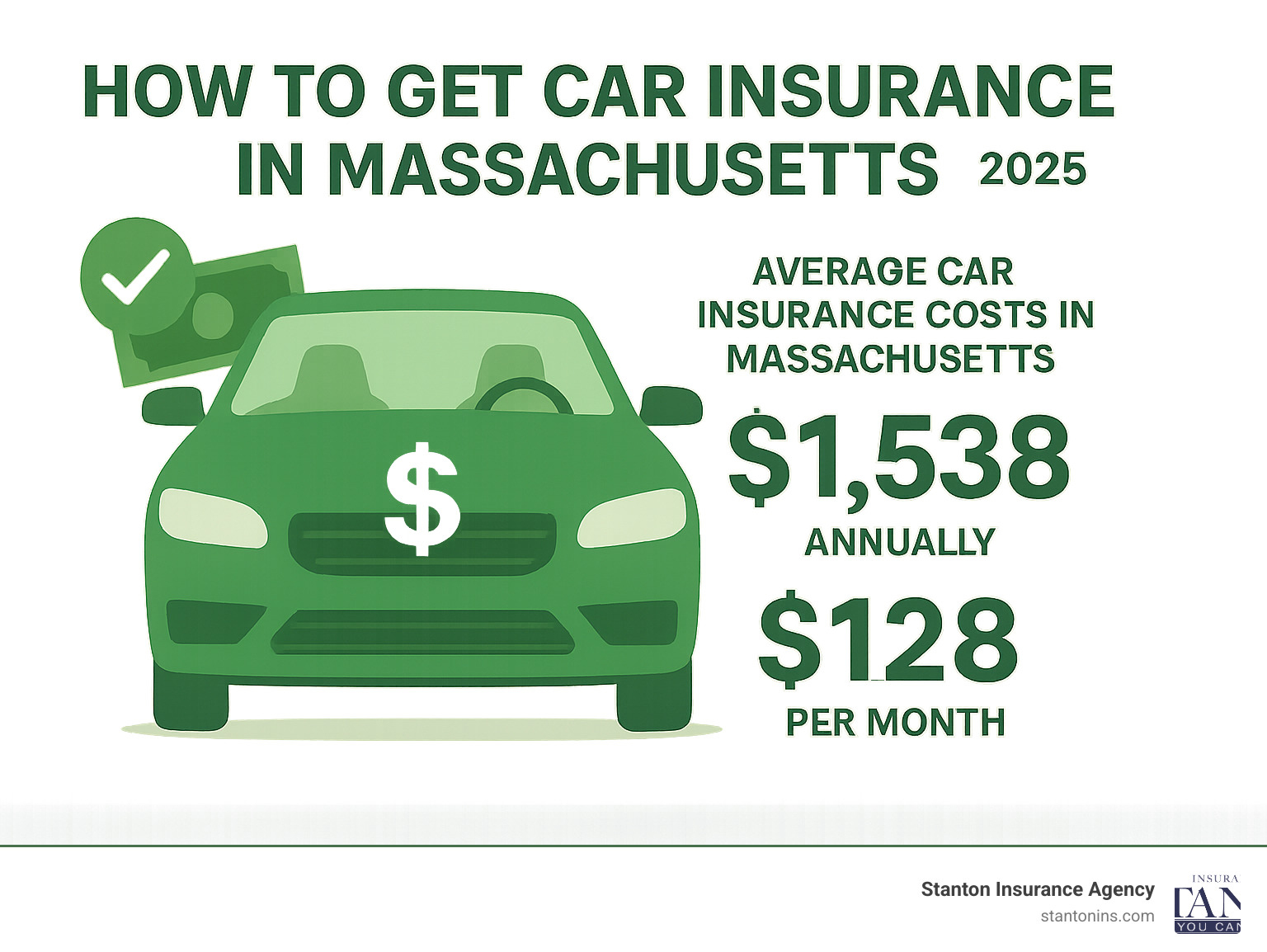
Unlocking the secret to affordable auto insurance is easier than you might think! In Massachusetts, a variety of discounts await savvy drivers ready to maximize their savings. From safe driving habits to bundling policies, there are numerous ways to keep more money in your pocket.
Understanding the potential discounts can empower you to make informed decisions, allowing you to enjoy both peace of mind and financial savings on your auto insurance policy.
Common Auto Insurance Discounts for Massachusetts Drivers
Massachusetts insurers offer a plethora of discounts designed to reward safe and sensible driving. Here’s a closer look at some of the most common:
- Safe Driver Discount: If you’ve maintained a clean driving record without any accidents or violations, you’re likely eligible for this substantial discount.
- Multi-Policy Discount: Bundling your auto insurance with other types of insurance, such as home or renters, can lead to significant savings.
- Good Student Discount: Students who perform well academically can benefit from lower premiums. Typically, a GPA of 3.0 or higher is required.
- Low Mileage Discount: If you drive fewer miles than the average driver, you could qualify for a discount due to lower accident risk.
- Anti-Theft Device Discount: Installing approved security systems in your vehicle can also reduce your insurance costs.
Qualifying for Safe Driver, Multi-Policy, and Good Student Discounts
Qualifying for these discounts involves more than just meeting basic criteria; it requires a proactive approach and some strategic thinking:
- Maintain a Clean Record: Avoid traffic violations and accidents to secure the safe driver discount.
- Review Your Grades: For students, consistently achieving high grades can unlock savings opportunities.
- Bundle Policies: Consider consolidating your insurance needs with one provider to leverage the multi-policy discount.
- Ask About Discounts: Always inquire with your insurer about all possible discounts and savings you might be eligible for.
Strategies for Reducing Overall Insurance Costs in Massachusetts
Every dollar counts, and there are several strategies Massachusetts drivers can employ to lower their insurance costs:
“The smartest driver isn’t just the one who navigates the road skillfully but also who navigates the insurance world with dexterity.”
- Routinely compare quotes from multiple insurers to ensure you’re getting the best rate.
- Consider increasing your deductible to lower your premium, but ensure that it’s still affordable for you in case of a claim.
- Take defensive driving courses, which not only sharpen skills but may also result in a discount.
- Regularly review and update your coverage needs to avoid overpaying for unnecessary protection.
Steps to Finding the Best Insurance Deals
Finding the best insurance deals is all about due diligence and being proactive. Here’s a step-by-step guide to help Massachusetts drivers:
- Conduct a personal audit of your insurance needs and current policies.
- Research various insurance providers and their reputations in Massachusetts.
- Request multiple quotes and compare not just prices but also coverage details.
- Check for available discounts and ensure none are overlooked.
- Negotiate with insurers by highlighting your safe driving record and loyalty.
- Reevaluate your insurance plan every year to adapt to any changes in your circumstances or driving habits.
Choosing the Right Auto Insurance Provider
Finding the perfect auto insurance provider in Massachusetts is like finding a trusted co-pilot for your financial journey. It’s not just about price; it’s about value, service, and peace of mind.
When you’re selecting an auto insurance provider, it’s crucial to dive deeper than the surface level of premiums. Your choice should reflect a balance between competitive pricing, comprehensive coverage options, and outstanding customer support. Remember, your provider is your ally in times of need, ensuring that you’re not left stranded when life’s uncertainties strike.
Criteria for Selecting a Reputable Provider
In Massachusetts, the road to the right insurance provider is paved with key considerations. Beyond the allure of low premiums, look for a company’s reputation, financial stability, and customer-centric policies. Here’s what to keep in mind:
- Financial stability and ratings
- Range of coverage options
- Discounts and reward programs
- Customer service accessibility
- Efficiency in claims processing
Top-Rated Insurance Providers and Their Unique Offers
Navigating the crowded market of auto insurance can be overwhelming. To help simplify your choice, here’s a curated list of top-rated providers known for their unique offerings in Massachusetts:
| Provider | Unique Offers |
|---|---|
| Liberty Mutual | Comprehensive coverage with online policy management |
| Geico | Affordability with a wide range of discounts |
| Progressive | Customizable policies with snapshot driving assessment |
| Allstate | Claim satisfaction guarantee and local agent support |
Importance of Customer Service and Claims Handling
The true test of an auto insurance company is not just in how they woo you with initial offers, but in how they stand by you in tough times. Stellar customer service can make all the difference:
“Exceptional claims handling is not just a service, it’s a promise of reliability.”
When evaluating potential insurers, pay close attention to their claims process, customer testimonials, and communication channels, ensuring you’re never left in the lurch.
Checklist for Evaluating Insurance Provider Offerings
Embarking on your quest for the perfect auto insurance provider? Keep this checklist handy to ensure you’re making a well-informed decision:
- Verify financial stability through ratings
- Assess the spectrum of policy options
- Compare discount availability and eligibility
- Check customer service reviews and ratings
- Understand the claims process and turnaround time
- Look for additional perks or benefits
Filing an Auto Insurance Claim in Massachusetts
When the unexpected happens on the roads of Massachusetts, knowing how to file an auto insurance claim can turn a daunting situation into a manageable one. Let’s delve into the process, tips, and timelines to ensure you’re prepared to navigate this journey smoothly.
Understanding the mechanics behind filing a claim will empower you to take swift and informed action, preserving your peace of mind and maintaining confidence in your coverage.
The Process of Filing an Auto Insurance Claim
Filing an auto insurance claim in Massachusetts involves several key steps that you need to follow diligently. Starting with reporting the incident to your insurance provider, be ready to provide a thorough account of the event. This includes the exact date, time, and location of the accident, alongside the details of any other vehicles or parties involved. Your insurer will guide you through the process, but it’s crucial to act promptly.
- Contact your insurer immediately after the incident.
- Document all relevant details—photos, police reports, and witness contact information.
- Follow your insurer’s instructions regarding vehicle assessment and repairs.
Gathering Necessary Documentation
In the realm of insurance claims, documentation is king. The more detailed and organized your records, the smoother your claim process will be. Essential documents include a copy of the police report, repair estimates, and medical records if injuries occurred. Moreover, capturing comprehensive photographic evidence can significantly bolster your claim.
“The devil is in the details—thorough documentation is your ally in the claims process.”
Effective Communication with Insurance Adjusters
Communicating with insurance adjusters requires a blend of clarity and assertiveness. Remember, they are there to facilitate the process, but it’s crucial to present your case confidently. Be clear about the facts, avoid speculation, and provide all requested documentation promptly. Regular follow-ups can also help keep your claim top-of-mind.
In your discussions, remain courteous yet firm. Ask questions if you don’t understand something, and don’t hesitate to reiterate important points to ensure mutual understanding.
Timeline and Steps to Resolving a Claim
The timeline for resolving a claim can vary based on the complexity of the incident and the cooperation of all parties involved. Generally, claims in Massachusetts follow a structured path:
- Initial reporting and documentation submission.
- Assessment by insurance adjusters, often requiring vehicle inspection or interviews.
- Determination of fault and negotiation of settlement terms.
- Final settlement or escalation, if necessary.
Each step demands your attention and patience, ensuring you remain informed and engaged throughout the process.
Final Thoughts
As we reach our destination, remember that navigating the world of auto insurance in Massachusetts doesn’t have to be a bumpy road. By understanding the factors that affect your premiums and leveraging available discounts, you can steer your way to significant savings. Choose your insurance provider wisely, and don’t hesitate to explore your options until you find the sweet spot of coverage and cost. With this newfound knowledge, you’re not just a driver; you’re a savvy navigator on the road to peace of mind.

